
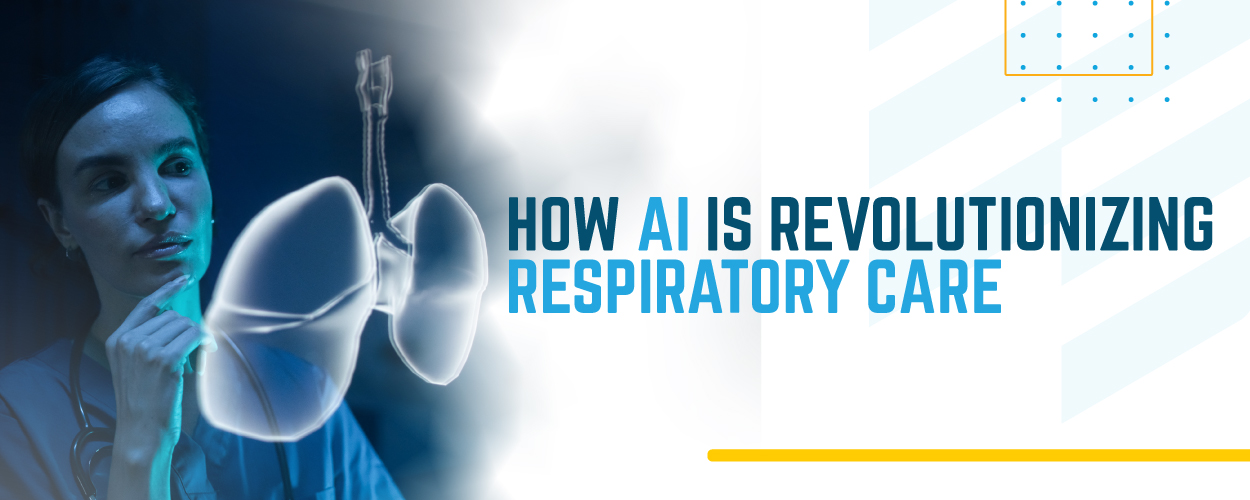
Imagine a world where your doctor doesn’t just guess which medication will best treat your chronic lung condition. Instead, they test every possible option first—not on you, but on a perfect, computerized replica of your own lungs.
This isn’t science fiction. It is the cutting edge of medicine, and as of March 2026, it is officially under development.
Here at TB Vets, we have spent nearly 80 years funding the frontline equipment—the ventilators and diagnostics—that help British Columbians breathe. That’s why we are thrilled to spotlight a major technological breakthrough that is poised to change respiratory medicine forever.
The Breakthrough: What is a “Digital Twin”?
A “digital twin” is a sophisticated, AI-driven computer model. In this case, researchers are using massive amounts of biological and medical imaging data to build virtual, personalized replicas of human organs.
On March 13, 2026, a massive new research collaboration, the Modelling-Informed Medicine Centre (MiMeC)—led by Imperial College London, the University of Oxford, and GSK—announced a ground-breaking initiative to create digital twins of the lungs, liver, and kidneys.
For respiratory health, this is a game-changer. The lung is an incredibly complex organ. By creating a digital twin of a patient’s lungs, scientists can:
- Simulate Drug Effects: They can “give” a virtual drug to the virtual lung and see exactly how it reacts, predicting side effects and efficacy without any risk to the actual patient.
- Personalize Treatment: No two pairs of lungs are the same. A digital twin allows for “precision medicine”—treatments tailored specifically to the unique biology of an individual’s respiratory system.
- Speed Up Research: Developing new respiratory drugs currently takes years of costly human trials. AI modelling can compress this timeline significantly, bringing life-saving treatments to market faster.
Supporting Innovation, One Breath at a Time
By supporting TB Vets, you aren’t just helping us purchase the equipment that saves a life in a BC hospital today. You are helping us foster a healthcare ecosystem that embraces innovation.
Whether it’s the next generation of ventilators or the advanced AI models that define how we use them, the goal remains the same: helping British Columbians breathe easier.
We invite you to learn more about the revolutionary work being done on digital twins of the lung by visiting the official announcement from Imperial College London below.
Main Source & Reference:
You can read the full, official announcement of this project directly from the source here:
New centre from Imperial, Oxford and GSK will build digital twins of lungs, liver and kidneys (Link to external source: Imperial College London)